Bathroom Tiles: Expert Guide to Selection & Install
As a seasoned bathroom remodel professional, I know that choosing the right bathroom tiles sets the tone for durability, safety, and style. This guide covers tile types, installation considerations, maintenance, and trends to help you make informed decisions that stand the test of time.
Overview: Why tiles matter
Tiles protect surfaces from moisture and daily wear while delivering a wide range of looks from minimalist to luxury. Quality tiles paired with proper waterproofing improve hygiene, reduce maintenance, and boost home value. A thoughtful tile plan also guides shower surrounds, backsplashes, and floor layouts so that color and texture harmonize with fixtures and cabinetry.
Understanding tile types
Ceramic tiles are affordable and versatile, made from clay fired at high temperatures. Porcelain tiles are denser and more water resistant, ideal for floors and showers. Natural stone adds luxury but requires sealing and more maintenance (marble, travertine, slate). Glass tiles create reflective surfaces and accent features but can be slippery if not used thoughtfully. For larger bathroom projects, large-format tiles reduce grout lines and create a seamless look, while mosaic tiles offer color and texture in small spaces.
Ceramic tiles
Made from red or white clay, ceramic tiles are easy to cut and install. They resist stains well and are cost-effective for walls and backsplashes. Use a porcelain or premium ceramic for floors in high traffic areas.
Porcelain tiles
Porcelain contains a higher firing strength and lower water absorption. They perform well in wet zones and with stone replica finishes. Choose grade and finish appropriate for the room use (PEI rating matters for floors).
Natural stone
Marble, travertine, and slate offer unique veining and warmth. They require sealing and periodic maintenance. Choose other options in very damp areas if low maintenance is essential.
Glass and mosaic tiles
Glass tiles craft light filled backsplashes and dramatic walls. They can be slippery on floors and require careful installation. Mosaic sheets help in curves and niches and are forgiving for complex layouts.
Large-format and cement tiles
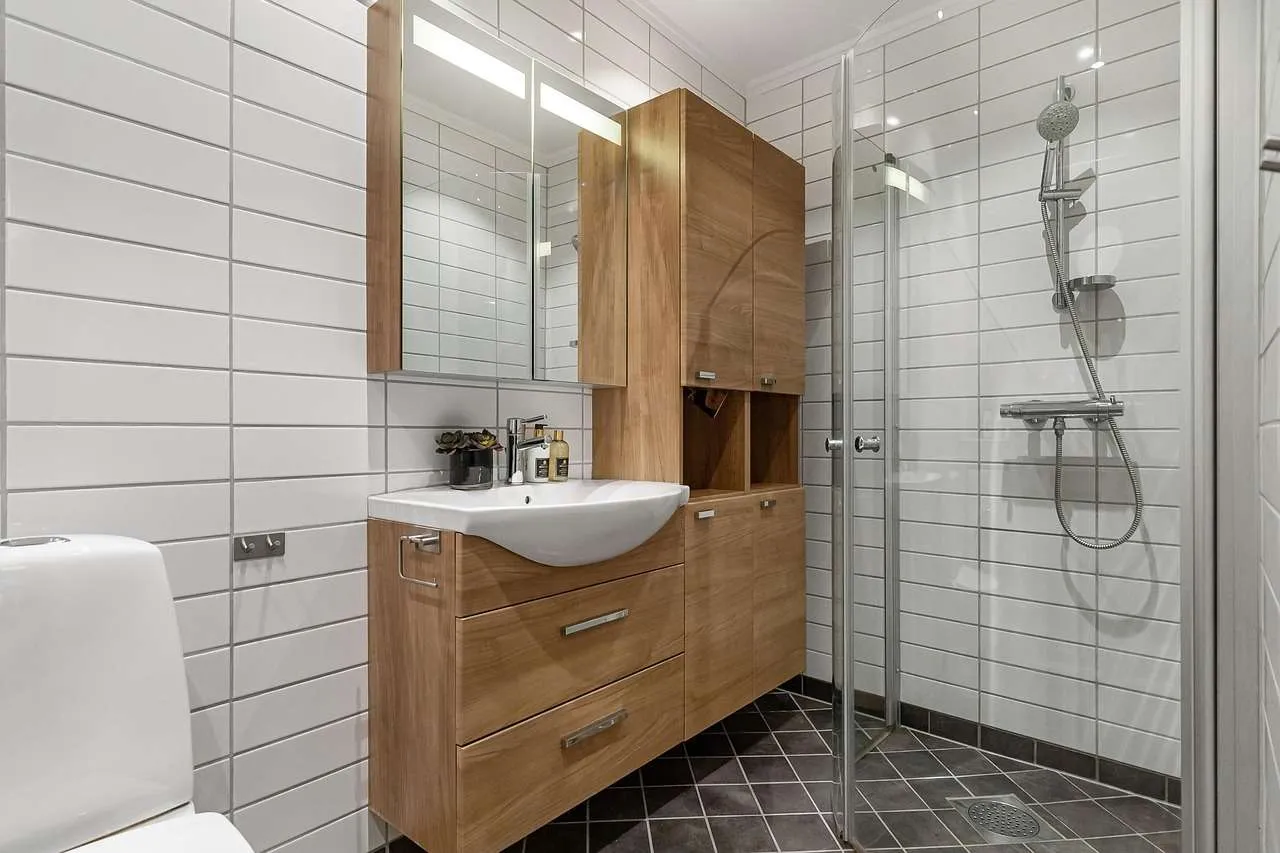
Large-format tiles reduce grout lines and create a modern effect, while cement tiles bring color and pattern but may require resealing and moisture management.
Key considerations when choosing bathroom tiles
- Moisture resistance: In showers and wet rooms, opt for porcelain or glazed ceramic with low water absorption.
- Slip resistance: Look for a higher slip rating on floors (R9-R13) and matte or textured finishes for safety.
- Size and layout: Large-format tiles can make small bathrooms feel bigger; consider running patterns and offset joints that hide imperfections.
- Grout choice: Light grout can brighten spaces but show stains; darker grout hides grime but may require more cleaning.
- Maintenance and sealing: Stone requires sealing; porcelain and ceramic typically do not, though grout benefits from sealing in some installations.
Design trends and pairing with fixtures
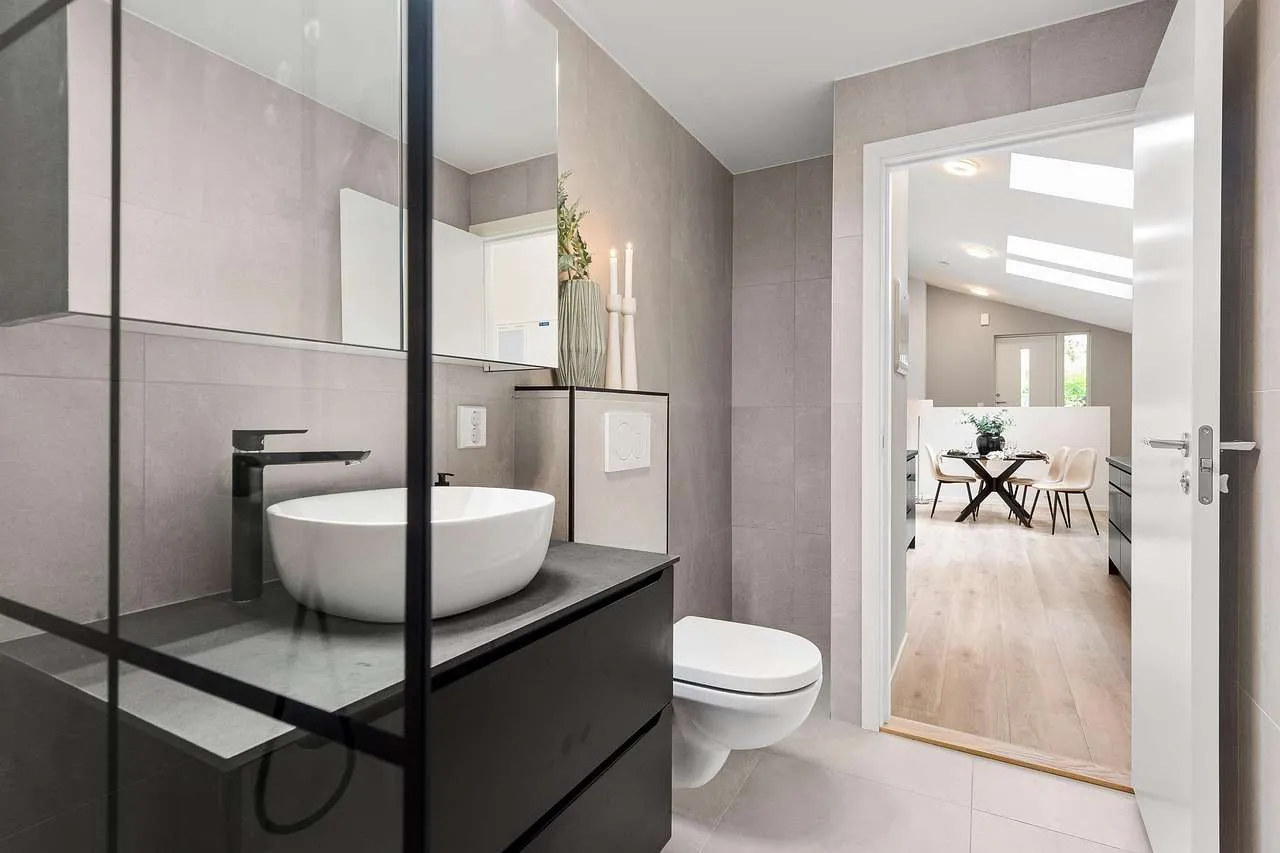
Neutral bases with bold accent tiles create balance. Matte finishes pair well with brushed brass or matte black fixtures. For a spa inspired look, use large porcelain planks in warm tones and complement with glass mosaics as a reaction tile near the shower. Consider waterproofing behind every tiled surface and plan for a long lasting sealant schedule with your installer.
Installation basics and maintenance
- Prepare the substrate: ensure a flat, clean, and dry surface; repair any cracks and apply a waterproof membrane in wet zones.
- Choose appropriate adhesives and grouts: use products rated for bathrooms and the tile type.
- Waterproofing and underlayment: particularly important behind showers and tub surrounds.
- Grouting and sealing: seal stone grout; keep grout lines clean to prevent mold growth.
- Cleaning and care: use non acidic cleaners and spot-clean; avoid abrasive pads on delicate finishes.
Professional installation is recommended for showers and benches to reduce the risk of leaks. Ask for a written warranty and verify the installer’s credentials and prior work with photos or references.
Budgeting and where to buy
Expect a wide price range depending on tile material, size, and installation complexity. Ceramic tiles start at moderate prices; porcelain is a bit higher; natural stone may require higher upfront and ongoing maintenance. Factor in additional costs for waterproofing, grout, underlayment, and labor. Reputable tile shops and certified installers provide product knowledge, samples, and warranties that protect your investment.
| Tile Type | Durability | Maintenance | Best Use | Approx Cost |
|---|---|---|---|---|
| Ceramic | Moderate | Low to moderate | Walls, backsplashes, low-traffic floors | 1-3 |
| Porcelain | High | Low | Floors and wet areas | 2-5 |
| Natural Stone | Moderate | Sealing required | Premium bathrooms, shower surrounds | 3-15 |
| Glass | Low to Moderate | Low but streaks possible | Backsplashes, accents | 6-12 |
| Mosaic | Variable | Moderate | Corners, trims, decorative zones | 4-20 |
Choosing the right tiles is a balance of function, aesthetics, and maintenance. A well planned tile installation adds value, improves hygiene, and elevates the overall feel of your bathroom.
Conclusion, selecting bathroom tiles is about matching performance with style. Work with reputable brands, request samples, verify warranties, and ensure proper waterproofing. A thoughtful tile choice supports durability and timeless appeal while aligning with your budget and lifestyle.
Summary: This guide covered tile types, installation considerations, maintenance practices, and design tips to help you choose bathroom tiles with confidence and care.