Bathroom Tile Guide: Choose, Install, Care
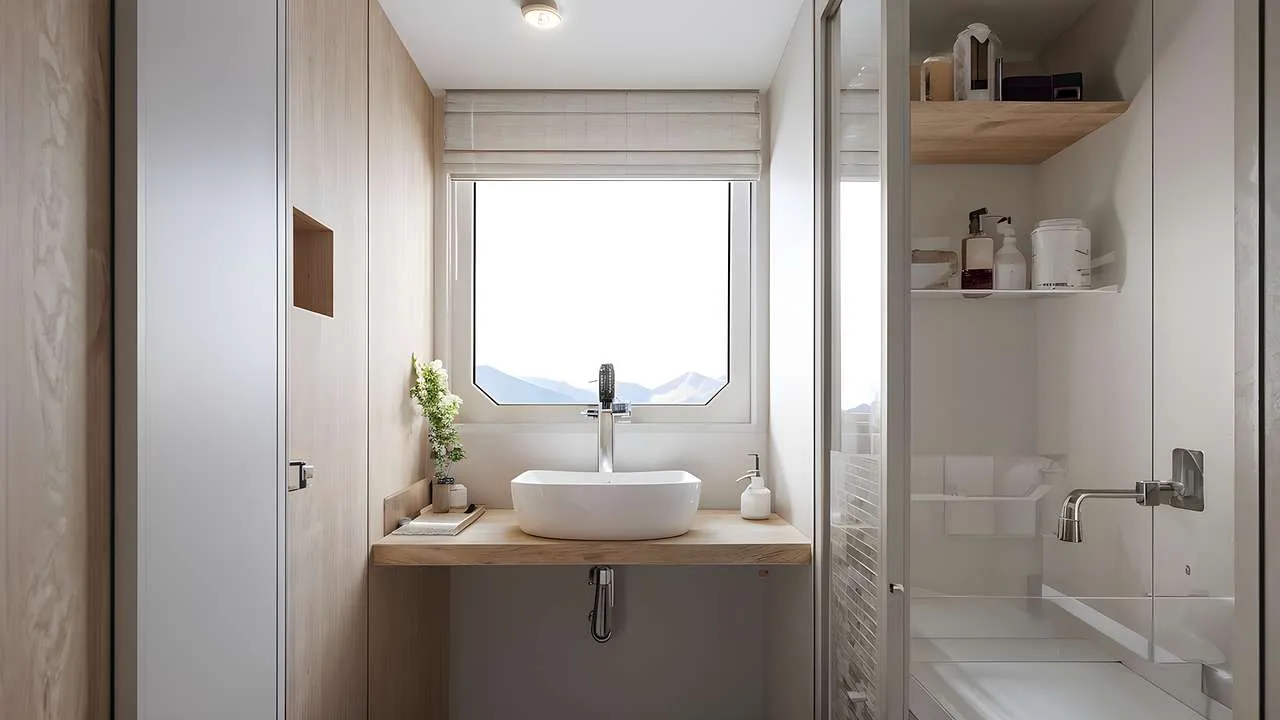
Choosing bathroom tile is more than style: it is about waterproofing, durability, and ease of maintenance. A well-planned tile strategy shapes a space that feels serene, stays resistant to moisture, and ages gracefully. This guide covers tile types, installation basics, maintenance, and design ideas to help you achieve a beautiful, long-lasting bathroom.
Types of bathroom tile
Ceramic tiles
Ceramic tiles are affordable and versatile, made from clay and glazed for color and pattern. They are durable for residential bathrooms and available in a wide range of sizes and textures. For longevity, pair ceramic with properly sealed grout and a moisture-rated installation.
Porcelain tiles
Porcelain is a dense, water-resistant option that is ideal for floors and showers. It resists staining and wear, and can carry high-sheen or matte finishes. Edges can be harder to cut, so professional installation or experienced DIY work is recommended.
Natural stone
Natural stone such as marble, travertine, or granite offers a luxurious look but requires more maintenance. They are porous and often need sealing to resist moisture and staining. Use stone products in well-ventilated, low-acid environments and clean with stone-safe products.
Glass and mosaic tiles
Glass tiles reflect light and create a contemporary feel. They are non-porous and easy to clean, but can show mineral deposits in hard water. Mosaic tiles provide flexible design options and texture, though installation commonly demands skilled labor for even grout lines.
Large format and oversized tiles
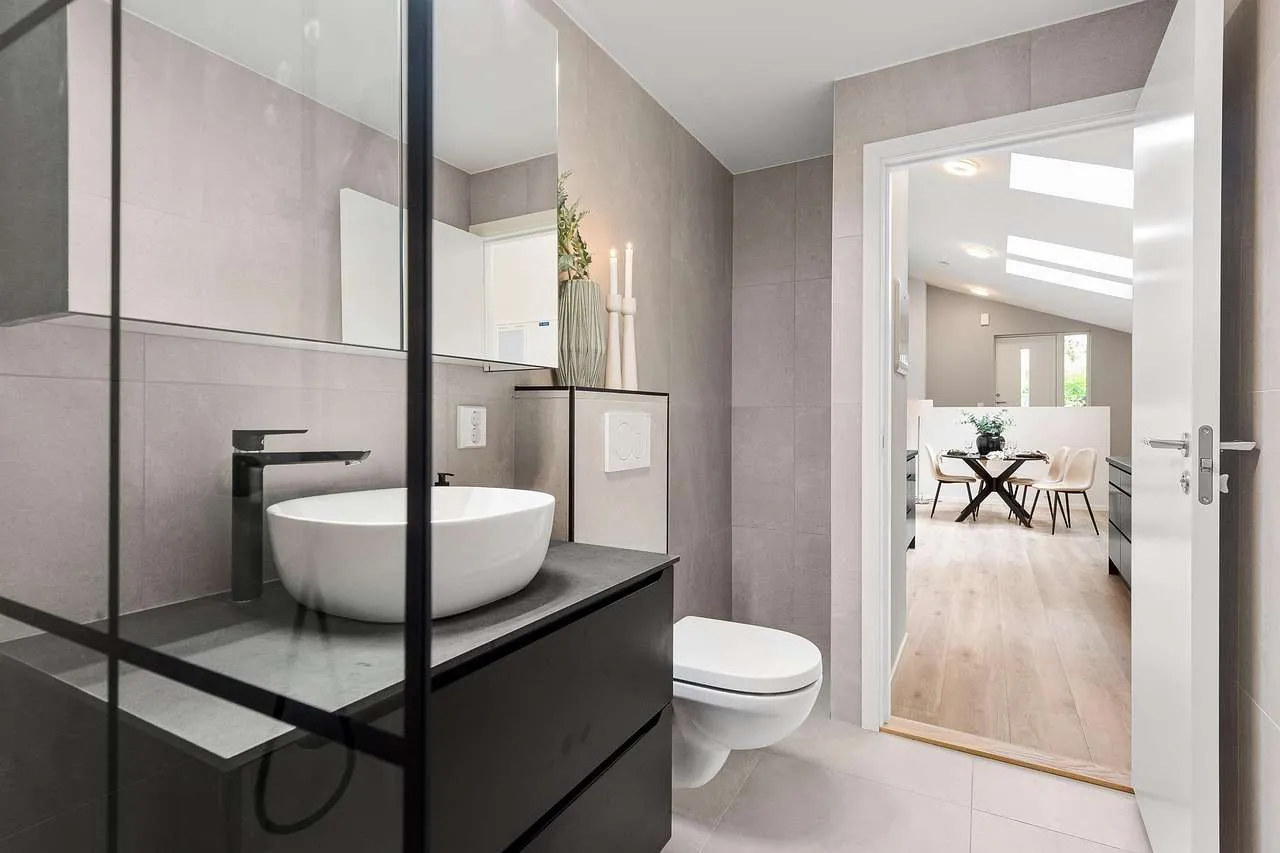
Large format tiles reduce the number of grout lines and deliver a seamless look, enhancing the perception of space. They require a very flat substrate and precise leveling during installation, but can be stunning on walls and floors alike.
Key considerations when choosing tile
Water resistance, slip resistance, maintenance, and substrate compatibility are critical. For floors in wet areas, choose tiles with a textured or matte finish to improve traction and a COF/SCOF rating suitable for bathroom use. For walls, glazed tiles offer easy cleaning and color variety, but ensure the glaze is appropriate for humidity and cleaning products.
Size, pattern, and color
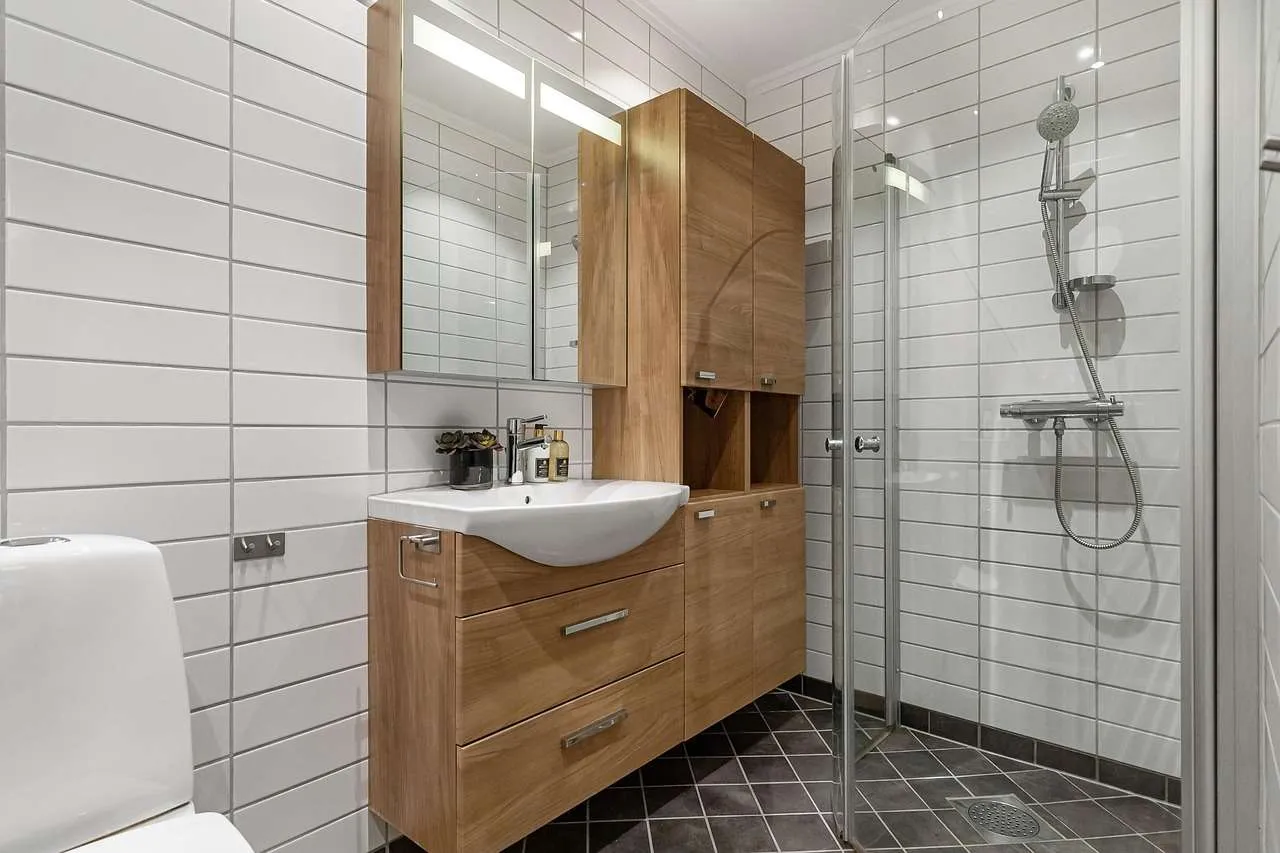
Smaller tiles offer grip and texture on floors and showers, while large-format tiles create a sleek, continuous surface with fewer grout lines. Pattern choices—from classic subway to herringbone or basketweave—define the room’s mood. Lighter palettes brighten small bathrooms; darker tones add drama when used as accents or in larger spaces.
Grout and sealants
Grout color influences cleaning effort and appearance; lighter grout tends to show stains more readily, while darker grout can hide dirt but may show wear. For natural stone, use penetrating sealers to reduce staining; reseal per the manufacturer’s schedule to maintain moisture resistance.
Installation tips and maintenance
Proper substrate preparation and a quality waterproofing membrane are essential for longevity. Use the right thinset mortar for your tile type and ensure stable, level installation. Spacing and caulking at corners allow for movement and prevent cracks. Regular cleaning with pH-neutral products and avoiding harsh acids protects both tile and grout.
Design ideas and trends
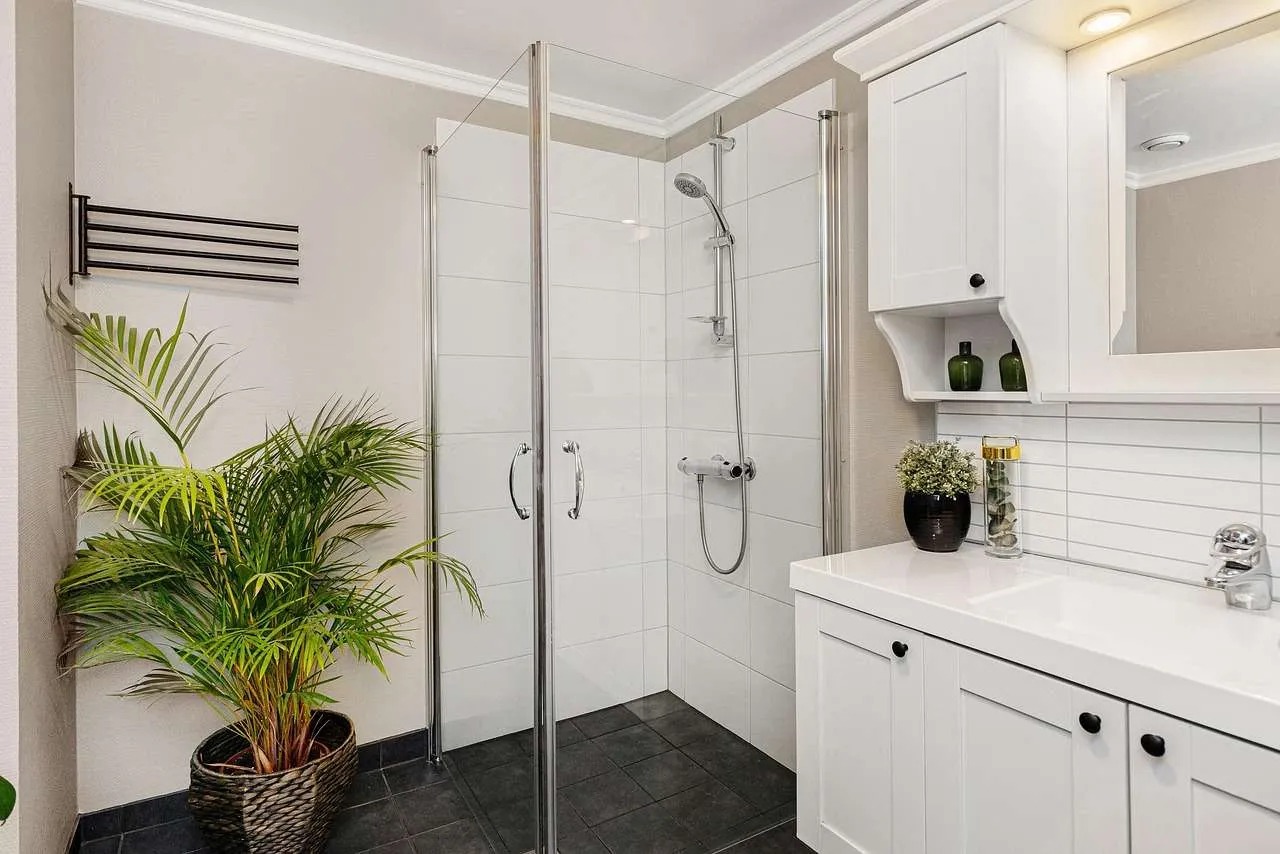
Neutral palettes with bold accents create a timeless look. Subway tile remains a versatile favorite; combine with textured wall tiles, glass mosaics, or a contrasting grout line to introduce depth. Vertical layouts or herringbone patterns can elongate or widen a bathroom. Consider mixing textures—matte floors with glossy wall tiles—to add dimension while keeping maintenance manageable.
Cost, durability, and upkeep
Costs vary by material, size, and labor. Ceramic tiles are typically the most affordable, porcelain offers higher density and moisture resistance, and natural stone commands premium pricing due to sealing needs and upkeep. Plan for maintenance: sealing stone and grout, cleaning with appropriate products, and periodic repairs to preserve color and structure over time.
Comparison table
| Tile type | Pros | Cons | Best use |
|---|---|---|---|
| Ceramic | Affordable; wide variety | Less dense than porcelain; softer edge | Walls; low-traffic floors |
| Porcelain | Dense; highly moisture resistant | Harder to cut; higher cost | Shower floors and floors |
| Natural stone | Luxurious look; unique patterns | Porous; requires sealing and maintenance | Showers; backsplashes |
| Glass | Bright, reflective; non-porous | Shows deposits; delicate edges | Backsplashes; accent walls |
| Large format | Fewer grout lines; modern appearance | Requires flat substrate | Floors and expansive walls |
Maintenance tips: use pH-neutral cleaners, avoid acidic solutions on natural stone, and reseal stone and grout regularly to preserve appearance and protection. Proper installation reduces cracking risks and ensures a long-lasting surface.
Conclusion
Conclusion, selecting bathroom tile involves balancing aesthetics with performance: choose the right tile type for wet areas, plan substrate preparation and waterproofing, seal and maintain grout and stone, and design with practical layouts and patterns. A thoughtful tile plan enhances durability, ease of cleaning, and the overall feel of your bathroom.